The interior design industry built a service for the few.
Mondän turns it into a product for the rest.
Designer-built room plans homeowners can actually buy, follow, and finish without hiring a designer one-to-one.


Recognized across home, design, and business media










The market gap
Most homeowners will never hire an interior designer.
That doesn’t mean they don’t need one.
Traditional interior design works well for the households that can afford a bespoke, one-to-one service. But that model was never built for the mass market.
For everyone else, the options are fragmented:
- do it alone and hope it comes together
- use inspiration or AI tools that don’t translate into a real room plan
- buy furniture piece by piece without confidence it will work
That leaves a large, underserved middle: homeowners making expensive room decisions without a practical way to access professional design guidance.
Mondän was built to serve that middle at scale.
Existing options solve fragments of the problem.
None solve the path from decision to finished room.
Traditional design
Highly effective for some households, but expensive and labour-intensive by design. It does not scale to the majority of homeowners.
Pinterest and inspiration tools
Useful for ideas. Weak for execution. They show what a room could look like, but not what to buy or how to make it work in a real home.
AI design apps
Fast at generating images. Much weaker at turning those images into a room plan a homeowner can actually follow, shop, and implement.
Custom e-design
More accessible than full-service design, but still tied to designer time, revisions, and service delivery on every sale.
Mondän sits in the gap between inspiration and full-service design: a professional room plan people can purchase, trust, and execute without starting from scratch.
The model
Every Mondän plan comes with the designer’s blueprint.
Not just a room concept. The actual plan for how to build it.
01
See it first
Full 3D visuals show the finished direction before the customer buys a single piece of furniture.
02
Everything decided
Every plan includes exact furniture placement, room layout decisions, scale, and positioning so the customer is not guessing where anything goes.
03
Shop the room
Each design comes with a complete shopping list and direct purchase links for the selected furniture, lighting, and décor.
04
Build it step by step
Every room plan includes an implementation guide: the practical blueprint that shows the customer how to turn the design into a finished room.
The human advantage
Not another AI design app.
Mondän is built for execution, not image generation.
AI can generate an image. It cannot resolve the practical and experiential decisions that make a room actually work in real life; layout, circulation, proportion, product selection, and implementation.
Why it scales
A product model inside a service-heavy industry
Mondän turns professional interior design from one-to-one labour into a reusable digital asset.
Traditional design revenue grows by adding more people, more projects, and more hours. Mondän is built differently.
Each room plan is created once by a professional designer, then sold repeatedly through the platform without requiring a new design process for every customer. Delivery happens digitally through the app. The expertise stays in the product.
That changes the economics:
- no one-to-one design labour attached to every sale
- digital delivery instead of service delivery
- a growing catalogue of reusable room plans
- repeat purchase potential across multiple rooms in the same home
$49,700
100 sales
$497,000
1000 sales
$4,970,000
10,000 sales
*Illustrative revenue at current $497 pricing, before payment processing, support, and future operating costs.
Mondän begins with the consumer room-plan product, but the long-term platform opportunity is larger than room-plan sales alone
The first product is live today. The larger platform is already mapped.
03
Design commerce layer
As purchasing happens through the platform, Mondän expands beyond plan sales into commerce and retail monetization built on the transaction flow already happening inside the product.
02
Designer platform
Over time, Mondän can open its infrastructure to outside designers, allowing professionals to publish and monetise room plans through the platform rather than serving every customer one-to-one.
01
Consumer design platform
Homeowners purchase complete, designer-built room plans, shop the products, and implement the room through the Mondän platform.
Validated before build.
620 homeowners shaped the product before build.
Before the first room plan was ever created.
Mondän was shaped through primary homeowner research across regions, income levels, and housing types. That research informed the pricing, room categories, product structure, and delivery model before the first room plan was ever built.
97%
said making design decisions was their biggest challenge
71%
said cost was the barrier to professional help
75%
said they would pay within Mondän’s price range
78%
had never hired a professional designer
80%
rated the product appealing or very appealing when shown the concept
The research confirmed the gap: homeowners want professional direction, but not the traditional design process.
Built by a founder who understands both design and systems.
I’m Jan Odesanya, founder of Mondän.
I built Mondän because the people who needed design help most were the least likely to be served by the industry built to provide it.
Before interior design, I spent 17 years in IT as a business analyst and project manager, working in systems, process, delivery, and execution. Then I spent more than a decade designing real homes across the UK, Australia, and Canada.
Those two careers shaped how I see problems. In IT, I learned how to spot broken systems and rebuild them so they actually work at scale. In design, I saw what happens when no such system exists at all.
Homeowners were being forced into a bad choice: hire an expensive one-to-one designer, or make high-stakes room decisions alone. Most were never lacking taste. They were lacking a clear, affordable path to a room that actually worked.
That was the gap I couldn’t ignore.
Mondän is the product I wish had existed for the vast majority of homeowners the design industry was never really built to serve. It takes the designer’s thinking; the layout, product decisions, sequencing, and implementation logic and packages it into a digital product people can actually buy and use without entering a traditional design service.
I didn’t raise capital to get Mondän off the ground. I bootstrapped it. I funded the research, built the first product library, launched the platform, and took it from idea to a live product now operating across web, iOS, and Android.
Mondän was not built as a concept deck. It was built in the real world, with real constraints, by someone who understood both the customer problem and the operational challenge of solving it at scale.
I’m not building Mondän to make design look more accessible. I’m building it to make professional design actually accessible and to create the infrastructure for a much larger design business over time.
Built. Live. In market.
Mondän is still early,
but it is no longer an idea on paper.
80+
room plans in the library
$497
first full-price sale
620
homeowners surveyed before launch
The library
80+ room plans.
across major rooms and styles.
Each plan includes 3D visuals, layout, furniture placement, shopping links, and implementation guidance, then lives inside the Mondän app for the customer to access anytime.
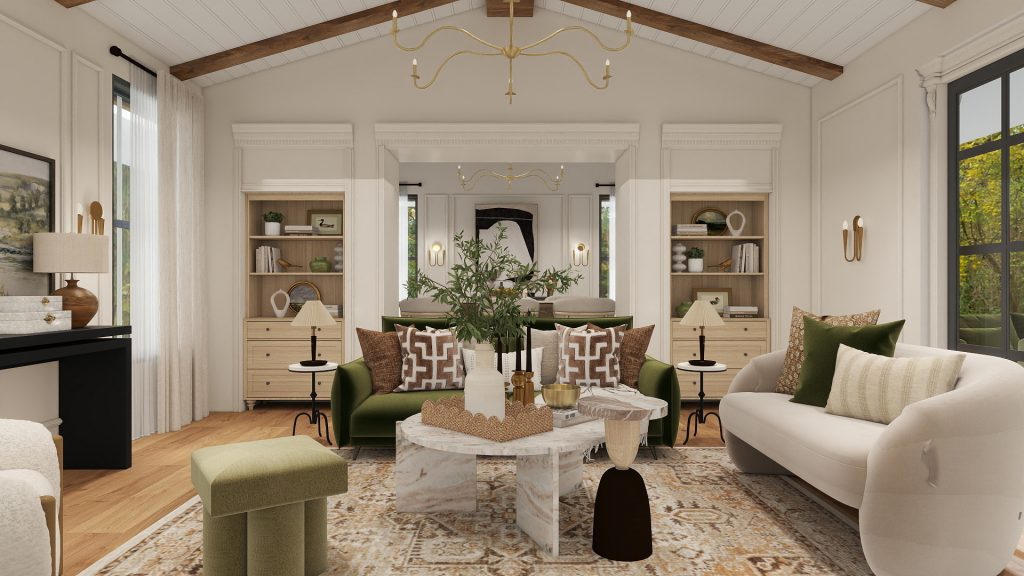
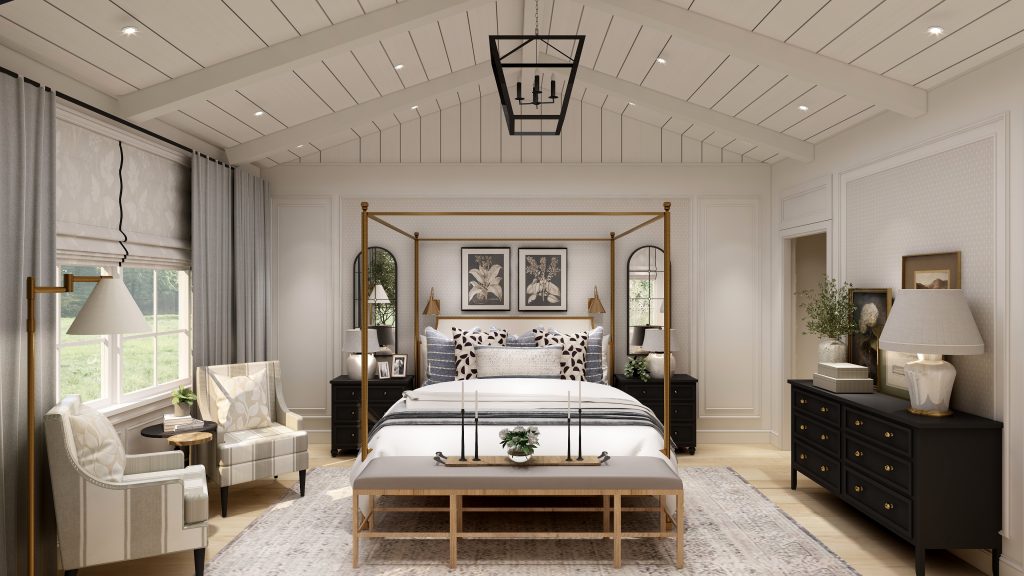
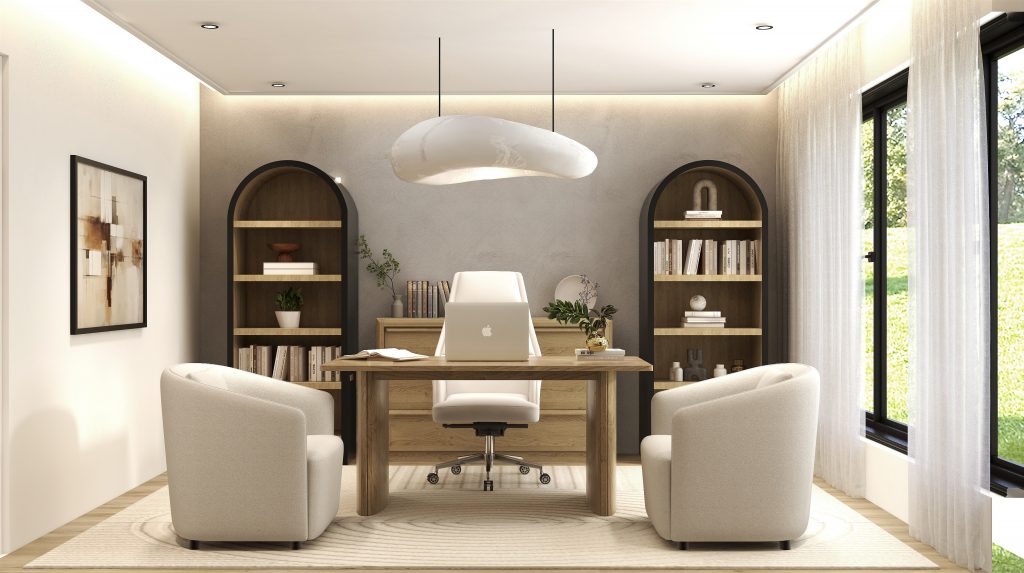
One complete room plan
$497
3D visuals · furniture placement · shopping list · direct purchase links · implementation guide · lifetime app access
The customer is not buying inspiration. They’re buying the designer’s plan.
The platform is built.
The next phase is growth.
What support unlocks
- customer acquisition and growth testing
- conversion optimisation
- continued room-plan library expansion
- brand visibility and strategic partnerships
- future platform development across designer and commerce layers